Summer has arrived in Greater Victoria, bringing long daylight hours, waterfront adventures, vibrant festivals, and one of the most enjoyable times of year to experience life on Southern Vancouver Island. Whether you’re enjoying the Sidney waterfront, relaxing along Dallas Road, exploring Sooke’s rugged coastline, or taking in live entertainment at Victoria’s Inner Harbour, July showcases exactly why so many people choose to call this region home.
The real estate market is reflecting that same sense of balance. Inventory continues to grow, giving buyers more options than they have seen in years, while sellers who prepare and price their homes strategically continue to achieve successful results.
In this month’s update, we’ll explore the latest market statistics, what they mean for buyers, sellers, and investors, upcoming community events, homeowner maintenance tips, local history, and one of Greater Victoria’s favourite summer destinations.
Greater Victoria Real Estate Market Update – July 2026
The second quarter of 2026 concluded with a clear trend: the Greater Victoria housing market continues moving toward a healthy and balanced environment.
According to the Victoria Real Estate Board (VREB), 719 properties sold during June 2026, representing a modest 5.5% decrease compared to June 2025, while remaining slightly higher than sales recorded in May.
The biggest story, however, continues to be inventory.
Greater Victoria finished June with 4,054 active listings, the highest level buyers have enjoyed in several years. Inventory increased by 0.6% compared to May and 7.3% over June 2025, creating a market where buyers can compare properties more carefully and make informed decisions rather than rushing into offers.
VREB Chair Fergus Kyne described today’s market as one that rewards realistic pricing, thoughtful preparation, and informed decision-making rather than the urgency created by limited inventory.
Property Market Snapshot
Detached Homes
Detached homes continue to demonstrate resilience despite increased inventory.
Single-family home sales declined only modestly compared to last year, showing that demand remains healthy for well-located and competitively priced homes.
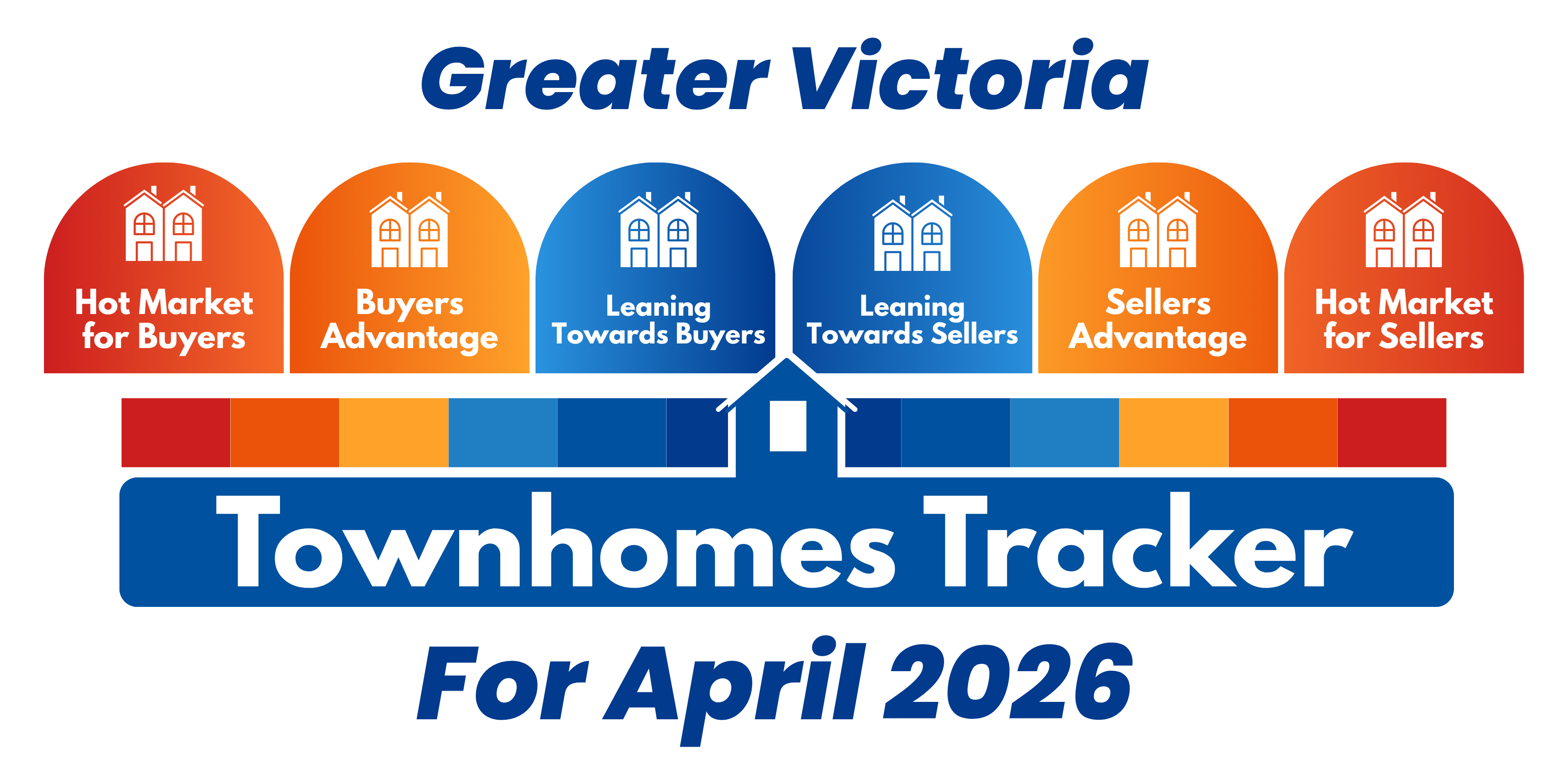
The benchmark price for a Victoria Core single-family home reached $1,326,500, representing only slight month-over-month and year-over-year adjustments, reflecting a market that remains stable rather than volatile.
For sellers, this reinforces the importance of presentation and pricing.
For buyers, it provides confidence that quality homes continue to retain long-term value.
Condominiums
The condominium market continues to offer buyers greater flexibility.
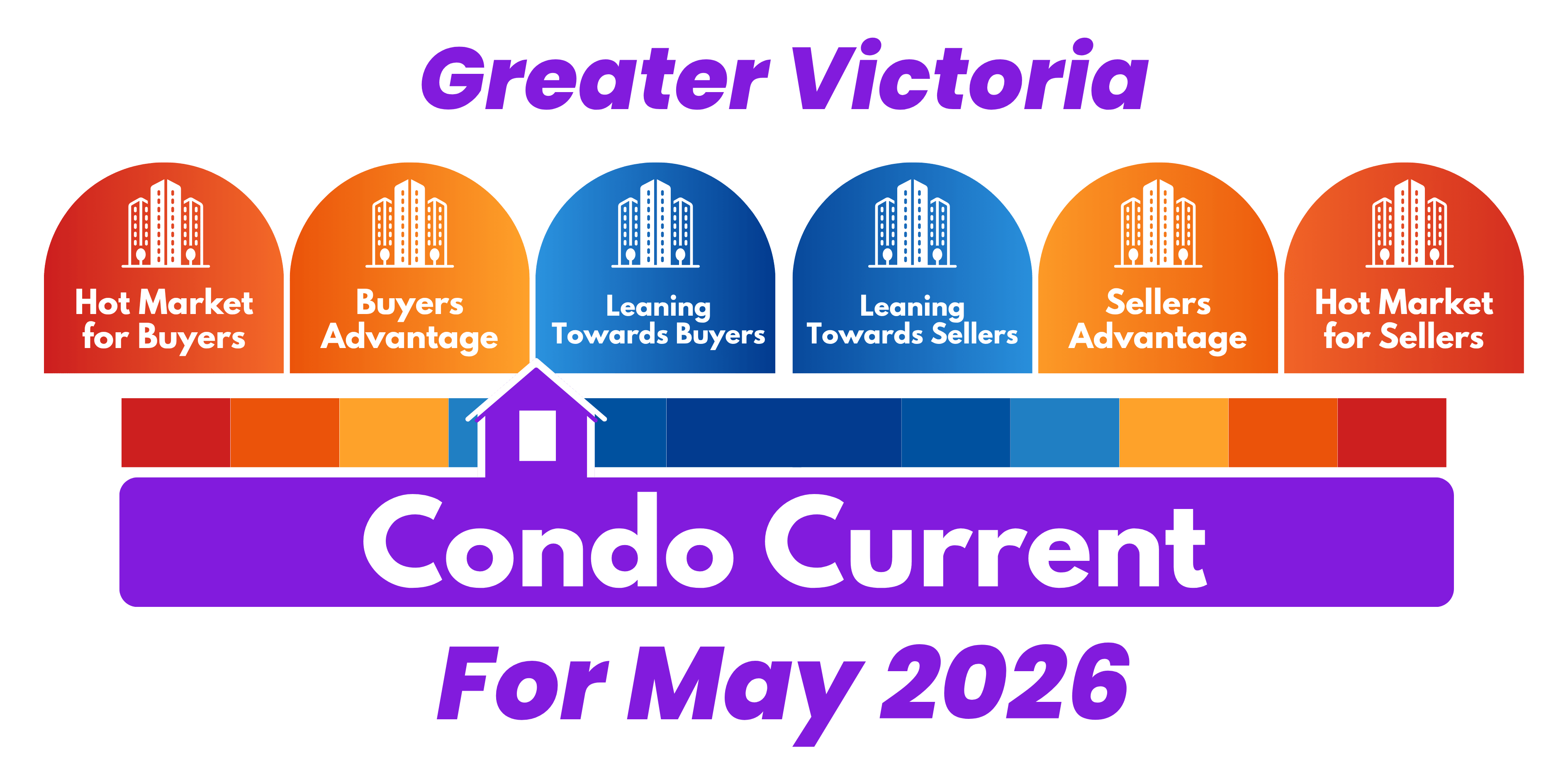
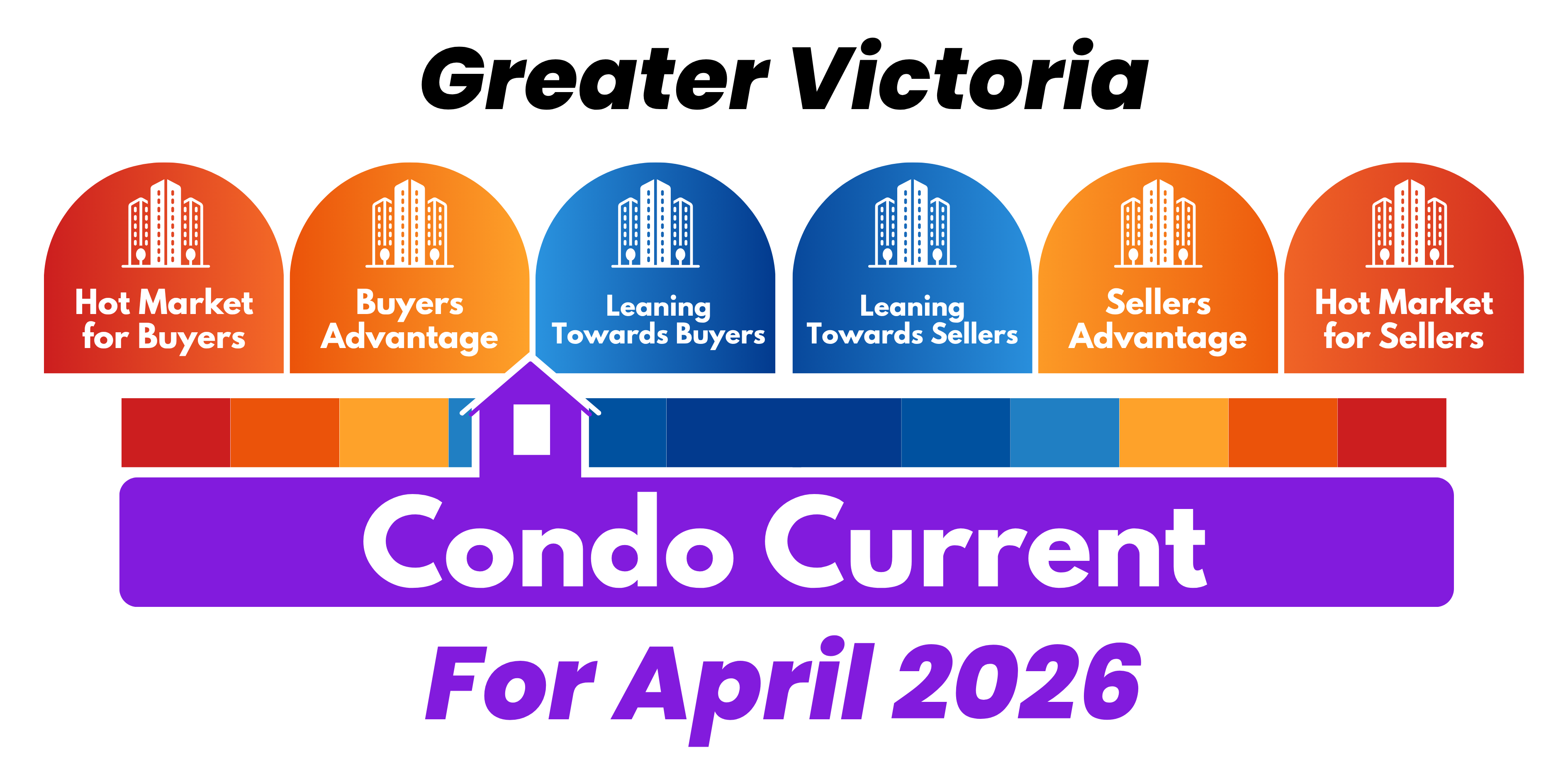
Benchmark condominium prices softened slightly compared with last year, settling at $549,200, while sales activity also slowed.
For many first-time buyers, downsizers, and investors, today’s condominium market presents opportunities that simply didn’t exist during the competitive conditions of recent years.
Did You Know?
Which iconic Greater Victoria landmark opened in 1908 and continues serving its world-famous traditional afternoon tea?
What This Means for Buyers
Today’s buyers benefit from something they have not enjoyed in quite some time—choice.
With more than 4,000 active listings available across Greater Victoria, buyers have greater freedom to compare neighbourhoods, evaluate property values, include financing and inspection conditions, and negotiate confidently.
Instead of competing in multiple-offer situations, buyers can focus on finding the property that truly fits their lifestyle and long-term goals.
What This Means for Sellers
The market continues to reward preparation rather than urgency.
Well-presented homes that are professionally marketed and realistically priced continue to attract strong buyer interest.
While buyers have more options available, desirable homes still stand out when sellers invest in staging, photography, maintenance, and accurate pricing strategies.
What This Means for Investors
Investors are finding a healthier environment for long-term planning.
A balanced market allows investors to analyze opportunities more carefully while considering rental demand, financing costs, and future appreciation potential rather than making rushed purchasing decisions.
Summer Events Around Greater Victoria
One of the greatest advantages of living in Greater Victoria is the incredible variety of community events that take place throughout the summer.
Here are several highlights happening this July.
Moss Street Paint-In
July 18, 2026
One of British Columbia’s largest outdoor art events transforms Moss Street into an open-air gallery featuring hundreds of local artists, live entertainment, and family-friendly activities.
BC CrabFest
Seafood lovers can enjoy fresh local crab, live entertainment, waterfront activities, and family fun at Ship Point in Victoria’s Inner Harbour.
Phillips Backyard Music Festival
One of Victoria’s favourite summer music festivals returns with live performances, local food vendors, and craft beverages in a relaxed outdoor atmosphere.
Festival Mexicano
Celebrate Mexican culture through authentic cuisine, traditional dance, music, and family entertainment at Centennial Square.
Theatre SKAMpede
Experience live theatre in an entirely different way as performances unfold along the Galloping Goose Trail and Inner Harbour pathways.
Oaklands Sunset Market
Support local farmers, artisans, and small businesses while enjoying fresh produce, handmade products, and neighbourhood entertainment.
Butchart Gardens Summer Fireworks
Every Saturday evening throughout the summer, The Butchart Gardens presents one of Greater Victoria’s most iconic fireworks displays, combining music, spectacular gardens, and family entertainment.
This Month in Greater Victoria History
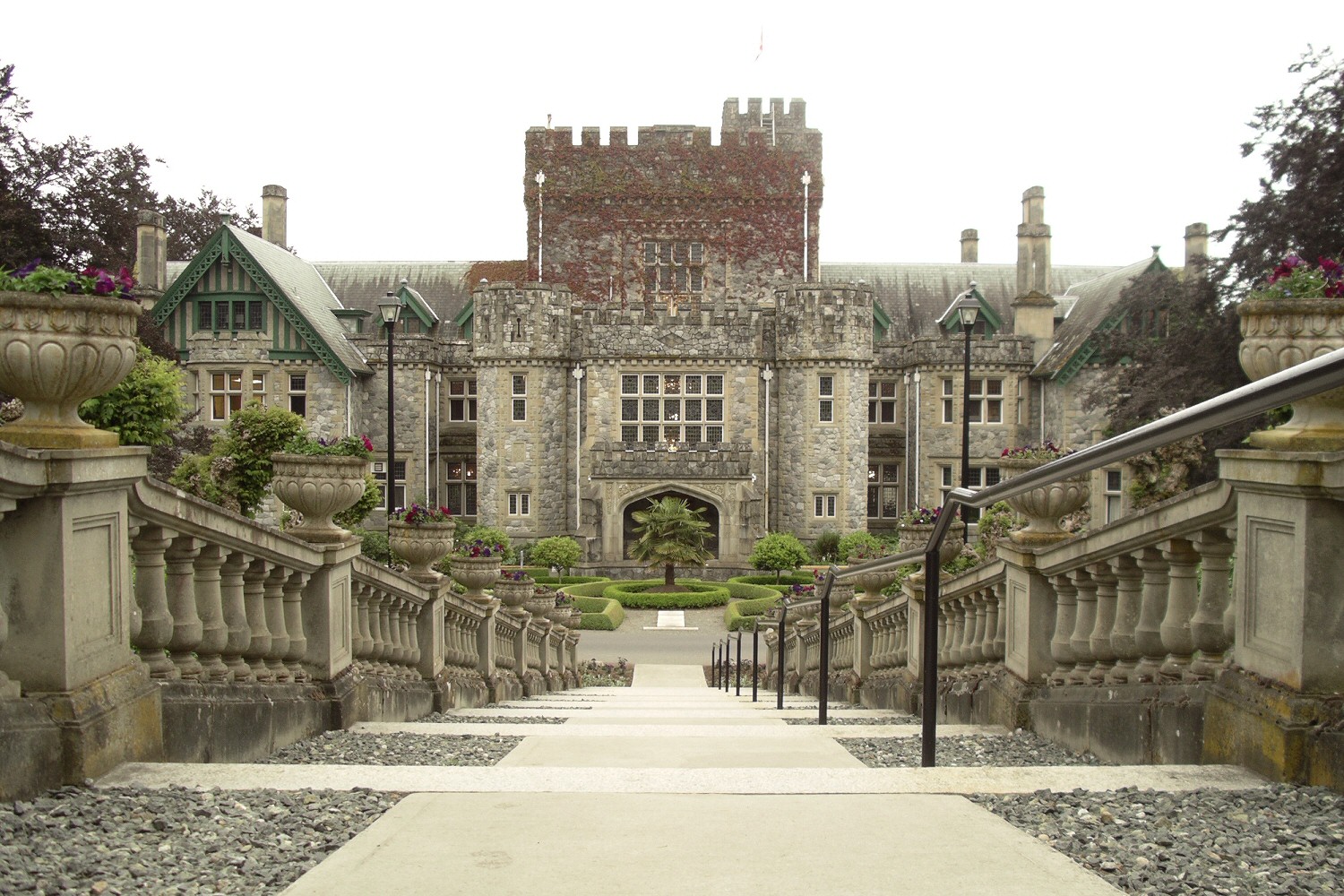
Did you know that Hatley Castle was officially recognized as a National Historic Site of Canada in July 1985?
Originally built in 1908 by James Dunsmuir, the grand Edwardian estate later became home to the Royal Roads Military College before evolving into today’s Royal Roads University.
Surrounded by magnificent Japanese, Italian, and rose gardens, Hatley Castle remains one of Greater Victoria’s most treasured historical landmarks and continues attracting visitors from around the world.
July Home Maintenance Tips
Summer is the perfect time to protect your home’s exterior while conserving water.
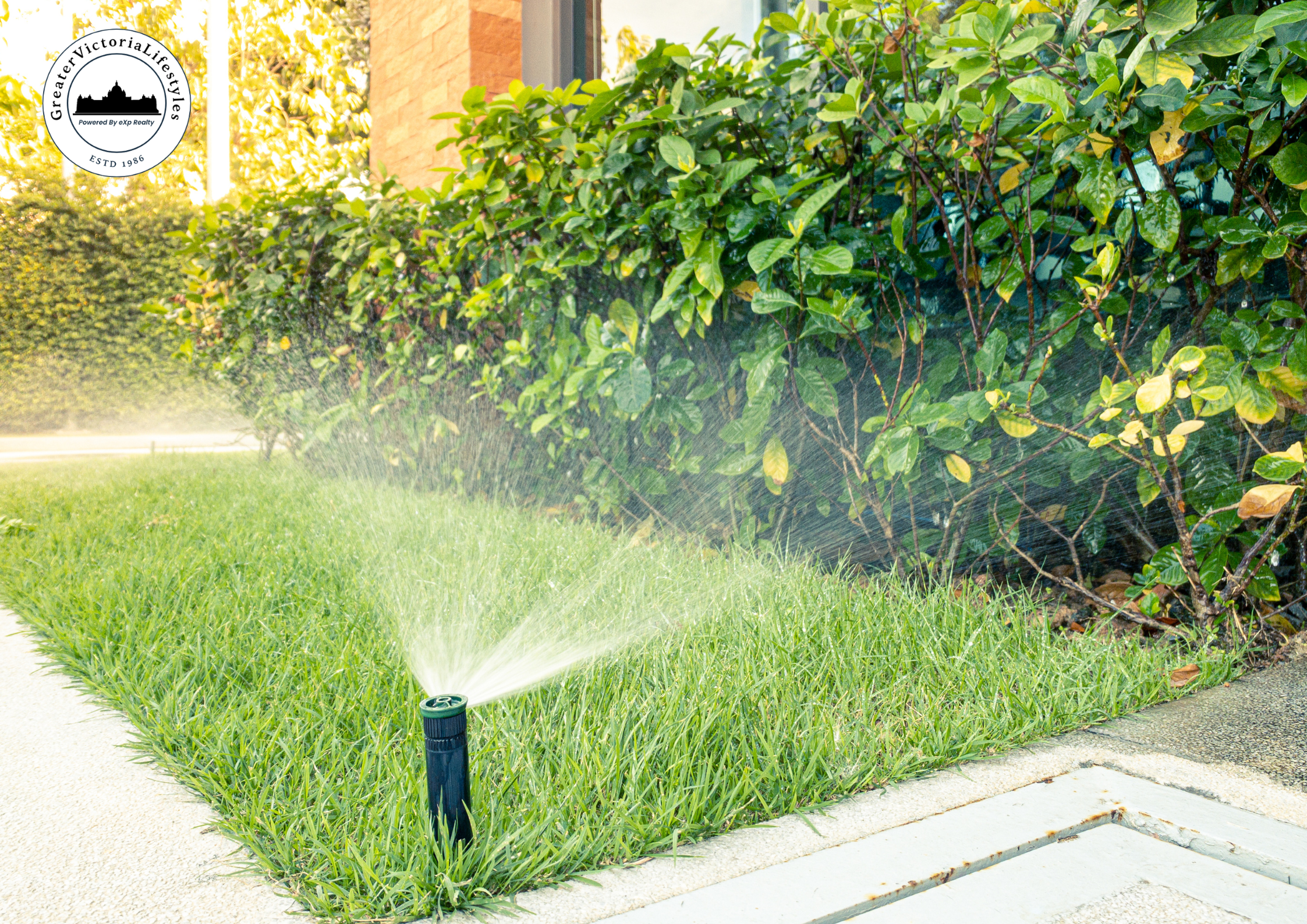
Check Your Irrigation System
Inspect sprinkler heads to ensure water is reaching lawns and gardens—not sidewalks, driveways, or exterior walls where unnecessary moisture can cause damage.
Water Deeply
Rather than watering every day, provide deeper watering sessions that encourage stronger root systems capable of withstanding summer heat.
Inspect Outdoor Faucets
Check exterior hose bibs for slow leaks or hidden drips that may waste water or contribute to moisture problems around your home’s foundation.
These simple maintenance tasks help protect your investment while supporting Capital Regional District water conservation efforts during the warmer months
Featured Destination: Goldstream Provincial Park
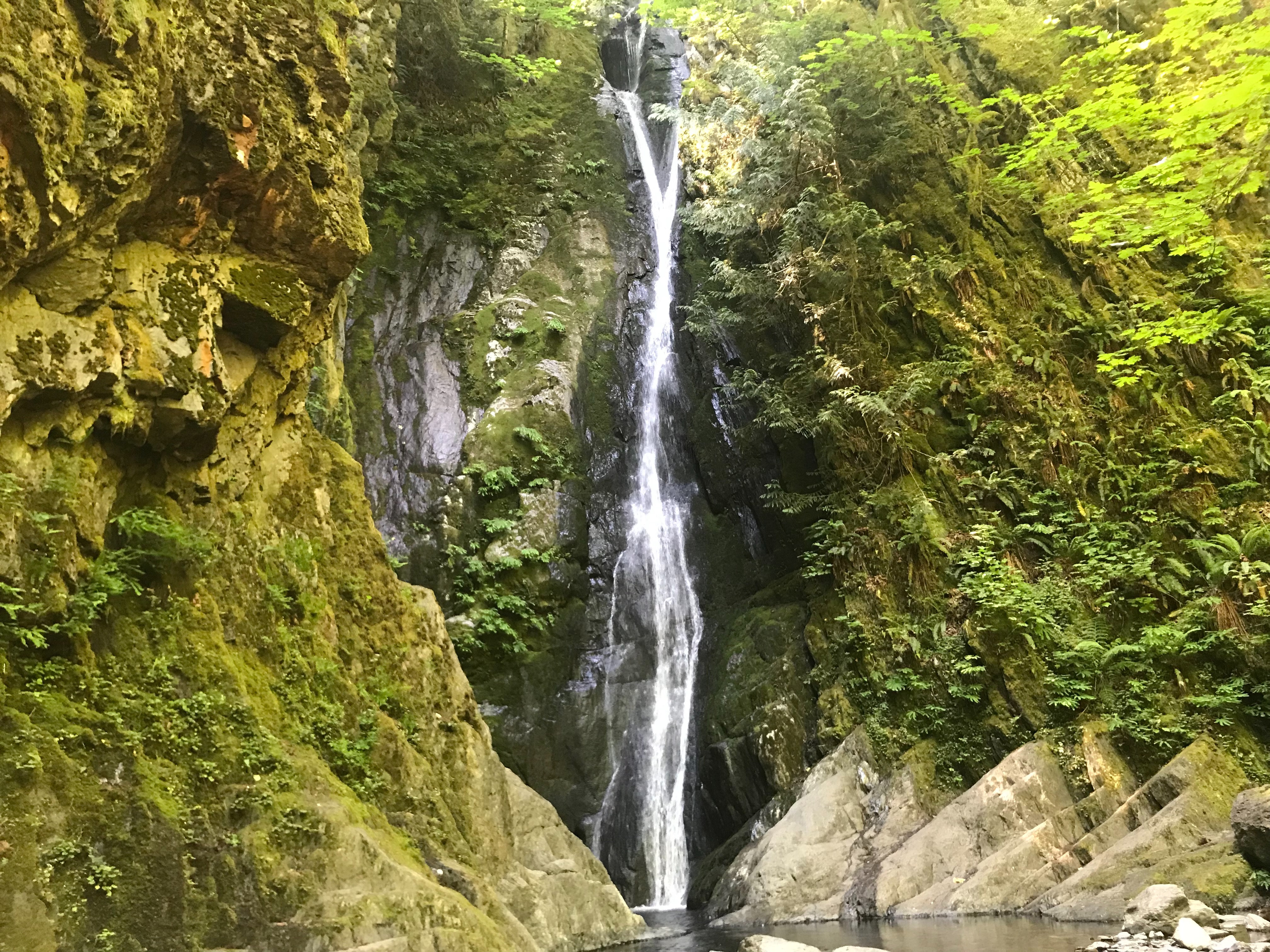
Only twenty minutes from downtown Victoria, Goldstream Provincial Park offers one of Vancouver Island’s most spectacular natural escapes.
Although many visitors associate Goldstream with its famous salmon run, summer is equally rewarding.
Visitors can explore towering Douglas fir forests, cool hiking trails, peaceful riverbanks, and the beautiful Niagara Falls waterfall, making it an ideal destination for families, photographers, hikers, and nature enthusiasts.
Whether you’re planning a picnic, short walk, or full day outdoors, Goldstream showcases the natural beauty that makes living on Southern Vancouver Island so special.
Did You Know?
Which iconic Greater Victoria landmark opened in 1908 and continues serving its world-famous traditional afternoon tea?
The answer is The Fairmont Empress Hotel.
Designed by renowned architect Francis Rattenbury, the Empress has welcomed royalty, world leaders, and visitors from across the globe for more than a century.
Today, it remains one of the defining landmarks along Victoria’s Inner Harbour and continues to offer one of Canada’s most celebrated afternoon tea experiences.
Why Summer Is One of the Best Times to Live in Greater Victoria
July perfectly captures everything that makes Greater Victoria such a desirable place to call home.
A balanced real estate market provides buyers with more opportunities, while vibrant communities, outdoor recreation, waterfront living, cultural festivals, and breathtaking natural scenery continue to attract people from across Canada and beyond.
Whether you’re purchasing your first home, relocating, downsizing, investing, or simply enjoying another beautiful summer on Vancouver Island, Greater Victoria continues to offer an exceptional lifestyle supported by strong communities and a resilient housing market.
Thinking About Buying or Selling This Summer?
Whether you’re searching for your next home, preparing to sell, relocating to Greater Victoria, or simply exploring different communities, we’re here to help.
Explore our:
Or contact Peter Pfann for personalized advice based on your goals and the latest market conditions.
Disclaimer
Market statistics are based on data published by the Victoria Real Estate Board (VREB) and are believed to be reliable but are not guaranteed. Information provided in this article is for general informational purposes only and should not be considered legal, financial, or tax advice. Community events, schedules, and attraction details were accurate at the time of publication but are subject to change. Always verify event information directly with organizers before attending.
Sources
Victoria Real Estate Board (VREB) – June 2026 Market Statistics
City of Victoria Community Events Calendar
Destination Greater Victoria
BC Parks – Goldstream Provincial Park
Hatley Castle National Historic Site
Capital Regional District (CRD)